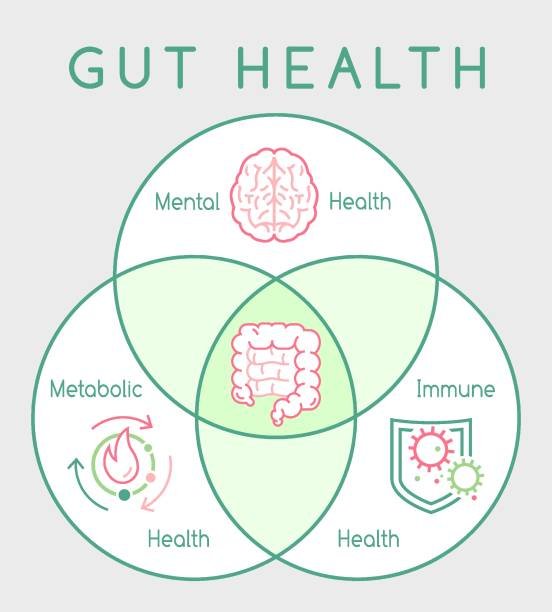
Looking after your gut health is one of the most important things you can do for your overall well-being. Research shows that if you do these five things, you could improve your immune health, your digestion, reduce problems of excessive appetite, increase your energy levels, and even possibly live longer.
Tip 1: Eat More Plants
The number one tip for improving gut health is to eat more plants. It’s about diversity — having a full range of plant foods, because each plant is full of different chemicals that are nutritious for gut microbes.
Just like people, gut microbes have their favorite foods. Some microbes might like a purple carrot rather than an orange one. So give them variety. The more you do that, the more diverse your gut microbiome becomes — and those microbes will then act like a little internal pharmacy, producing vitamins and beneficial chemicals that support your health.
This diversity is key. Research from the American Gut Project found that people who ate 30 different plants a week.
That might sound like a lot, but remember — “plants” doesn’t just mean vegetables. It includes nuts, seeds, herbs, and spices.
A simple way to start is by adding more herbs and spices to your cooking. Herbs and spices contain high levels of natural defense chemicals — that’s what gives them their rich aromas and strong flavors. You don’t need much to have a big effect on your gut microbes.
Try combining different herbs and spices — for example, Mediterranean mixes or spice blends that contain four or five types. Studies have shown that even a single serving of a mixed spice blend can improve gut microbes within two weeks.
You can also buy mixed grains and nuts — an easy way to get four or five plants in one go. When you snack on nuts, choose a mix rather than just one type. Each kind supports different microbes.
The Diversity Jar Hack
An easy daily habit is to make a diversity jar — a mix of nuts and seeds you can add to meals or snacks.
It’s a quick way to boost variety and helps you tick off a dozen or more plants a week just by adding a spoonful to your morning yogurt or smoothie.
Tip 2: Eat the Rainbow
For gut health, it’s all about eating the rainbow. The colors in plants come from defense chemicals called polyphenols, which are powerful fuel for gut microbes.
These same polyphenols that protect plants also support your body. To get more of them, always pick brighter-colored plants — they contain higher levels of polyphenols.
For example, purple carrots have up to ten times more polyphenols than standard orange ones. Green vegetables like kale are also rich in these compounds — their slight bitterness is actually a good sign.
Each color provides a different type of polyphenol, so the more variety you eat, the more you feed different microbes.
Dark chocolate (at least 70% cocoa), extra virgin olive oil, and even coffee are also excellent sources of polyphenols. A colorful, varied diet truly helps your gut thrive.
Tip 3: Get Enough Fiber
Over 90% of people don’t get enough fiber, which is one of the most critical nutrients for gut health.
Studies of hunter-gatherer tribes show they have nearly twice as many microbial species as those in modern societies — meaning much stronger gut health.
The simplest way to increase fiber is to focus on whole grains. Always choose darker, whole-grain versions of foods like pasta and bread — they contain twice as much fiber as refined options.
Beans are another excellent source — especially mixed beans, which give a broader range of fiber types. Add them to salads, pasta sauces, or stews.
For snacks, swap crisps for popcorn (3 grams of fiber per portion), and keep frozen peas handy — they offer around 4–5 grams per serving.
Raspberries and other berries are also among the best fiber sources and are easy to add to breakfast bowls or desserts.
Remember: the skins of fruits and vegetables contain much of the fiber. When possible, keep them on — even for foods like potatoes or kiwis.
Tip 4: Eat Live Foods
Prefer your food “alive” — meaning rich in live microbes that support your gut health.
Fermented foods are an excellent source. Examples include:
- Yogurt – made from milk fermented with beneficial bacteria.
- Kefir – a “super yogurt” that contains 10–20 strains of microbes.
- Kombucha – fermented tea; just be sure it’s low in sugar.
- Sauerkraut and kimchi – fermented cabbage with herbs or spices.
These can easily be added to meals — on toast, in salads, or as sides. Regularly consuming fermented foods has been shown to improve both gut and immune health.
Tip 5: Cut Down on Ultra-Processed Foods
One major problem food for gut health is ultra-processed food — and it’s everywhere.
In some countries, it makes up around 60% of the average diet, and most snacks fall into this category. These foods can harm gut microbes, even if they’re labeled as “high-protein” or “healthy.”
Try replacing processed snacks with healthier options like:
- Olives – high in polyphenols.
- Popcorn – a great alternative to processed crisps.
- Nuts and seeds – just a handful a day can reduce overall mortality risk by up to 14%.
- Hummus with veggie sticks – colorful, fiber-rich, and satisfying.
- Berries – a natural, sweet option full of antioxidants.
Small changes in snacking habits can dramatically improve gut health over time.
Conclusion
Taking care of your gut isn’t complicated — it’s about diversity, color, fiber, and avoiding ultra-processed foods.
Try introducing more plants, experimenting with herbs and spices, eating the rainbow, enjoying fermented foods, and swapping processed snacks for real, whole ones.
Your gut microbes will thank you — and your overall health will, too.
For more in-depth guidance, check out our articles on Gut Health 101: Why Your Gut Affects Everything From Digestion to Mood and Best Supplements for Common Health to take your gut health to the next level.