When people hear the term gut health, they usually think about digestion — things like bloating, gas, or how often they go to the bathroom.
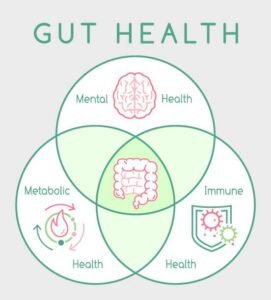
But your gut is far more than a simple digestive organ. It’s connected to almost every system in your body — from your immune system to your mental health, and even your energy levels and focus.
In this article, we’ll explore what gut health actually means, why it matters so much, and simple science-backed tips to help you improve it naturally. By the end, you’ll understand how looking after your gut can help you feel better, think clearer, and live a more balanced life.

What Exactly Is the Gut?
The gut, short for gastrointestinal tract, is a long tube that starts at your mouth and ends at your anus. Its main jobs are to:
- Break down the food you eat
- Absorb nutrients
- Eliminate waste
But your gut does much more than that. Inside it lives a fascinating community of microorganisms — trillions of bacteria, fungi, and even viruses — known as the gut microbiome.
These tiny organisms help digest food, support your immune system, and even produce chemicals that influence your brain. Think of your gut microbiome as an entire ecosystem living inside you — when it’s balanced, your body thrives. But when it’s out of balance, you can feel the effects everywhere.
What Does It Mean to Have a Healthy Gut?
A healthy gut means having a diverse and balanced microbiome — that is, a wide range of different microorganisms working together in harmony.
When the balance is disturbed (for example, by poor diet, stress, lack of sleep, or antibiotics), it can lead to common digestive problems like:
- Bloating and gas
- Constipation or diarrhea
- Irritable Bowel Syndrome (IBS)
But gut health isn’t only about digestion. Over the last few decades, scientists have discovered that the gut affects nearly every part of our body — including our mental health, immune function, and risk of disease.
Let’s explore how.
The Gut–Brain Connection: Why Your Stomach Talks to Your Mind
Have you ever had “butterflies in your stomach” when you were nervous? That’s not just a figure of speech. Your gut and brain are constantly in conversation through what scientists call the gut–brain axis.
1. Chemical Connection
The microorganisms in your gut produce chemicals called neurotransmitters, which affect how you feel.
For example, serotonin — often called the happy hormone — plays a major role in mood, sleep, and appetite. And guess what? About 95% of your body’s serotonin is made in your gut, not your brain.
That means the state of your gut microbiome can literally influence your mood and emotional well-being.
2. Hormonal Connection
Your gut also communicates with your brain through something called the HPA axis — the link between your hypothalamus, pituitary gland, and adrenal glands.
This system controls your body’s response to stress. When your gut bacteria are healthy and balanced, your stress response tends to be calmer and more stable. But when your gut is imbalanced, your body can overreact to stress, making you more anxious or fatigued.
3. Physical Connection
The gut and brain are physically linked through the vagus nerve, a long nerve that connects the brainstem to your digestive organs.
This nerve helps regulate digestion, heart rate, and even immune function — most of which happen automatically without you thinking about it.
So, when your gut is unhappy, it can send distress signals to your brain — and vice versa. This is why gut issues often go hand in hand with mental symptoms like anxiety, brain fog, or low mood.
Gut Health and Your Immune System

Another surprising fact: around 70% of your immune cells live in your gut.
Your gut and immune system are in constant communication, deciding what’s safe and what’s harmful.
Healthy gut bacteria help train your immune system to recognize real threats, like viruses or harmful bacteria, while ignoring harmless substances. When your gut microbiome is unbalanced, your immune system can become overactive — leading to inflammation, allergies, or even autoimmune problems.
Studies on animals have shown that when their gut bacteria are removed or changed, their immune systems stop functioning properly. This shows how deeply connected the two systems are.
In simple terms:
➡️ A healthy gut = a stronger immune system.
➡️ An unhealthy gut = higher risk of illness and inflammation.
How to Improve Your Gut Health (5 Simple, Science-Backed Tips)
The good news is that improving your gut health doesn’t require expensive supplements or extreme diets. Small daily changes can make a huge difference.
Here are five simple things you can start doing right now to build a healthier gut.
1. Eat 30 Different Plant Foods Each Week
The single most important thing you can do for your gut is to eat a variety of plants.
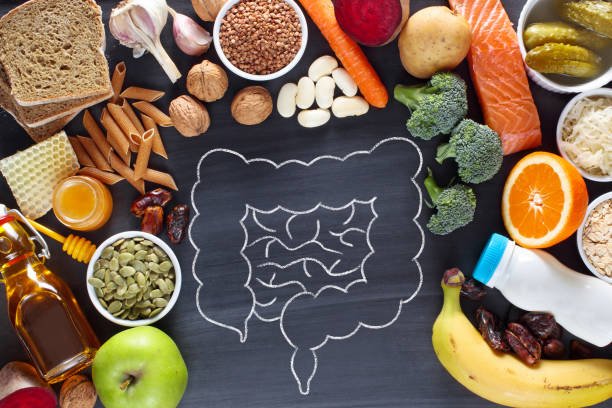
Experts recommend aiming for 30 different plant-based foods per week — and that includes much more than just leafy greens.
“Plants” in this context include:
- Fruits and vegetables
- Whole grains (rice, oats, barley, quinoa)
- Legumes (beans, lentils, peas)
- Nuts and seeds
- Herbs and spices
Why 30? Because each plant type feeds a different kind of gut bacteria. The more variety you eat, the more diverse your gut microbiome becomes — and diversity equals resilience and health.
Easy tip:
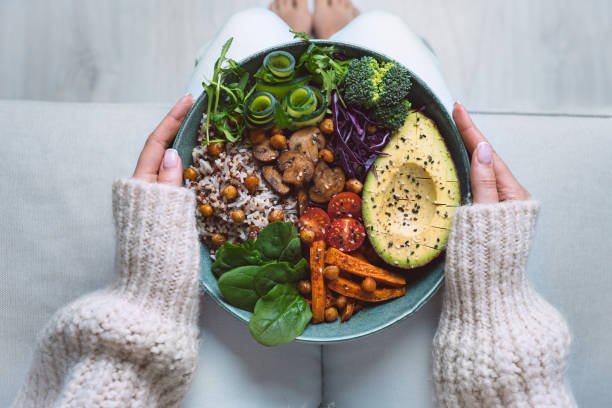
Think of getting 4–5 different plants per day. For example:
- Breakfast: oatmeal with nuts, seeds, and berries (4 plants right there!)
- Lunch: salad with mixed veggies and chickpeas
- Snack: an apple with peanut butter
- Dinner: stir-fry with tofu, rice, and colorful vegetables
You’ll reach 30 without even trying too hard.
2. Aim for Variety, Not Routine
Eating the same meals every day might be convenient, but it limits the variety of nutrients and bacteria in your gut.
Try mixing up your meals — swap ingredients, experiment with new grains, fruits, or legumes. Your gut thrives on diversity.
3. Get Enough Fiber (About 30 Grams a Day)
Fiber is the fuel your good gut bacteria need to survive.
It’s a type of carbohydrate your body can’t digest, but your gut bacteria can — and they use it to produce compounds that reduce inflammation and support digestion.
Most people eat less than half the recommended amount of fiber daily. To increase your intake:
- Eat at least 5 servings of fruits and vegetables daily
- Choose whole grains instead of refined ones
- Add seeds, nuts, and legumes to meals and snacks
High-fiber foods include oats, beans, lentils, apples, berries, chia seeds, and whole grain bread.
4. Consider Natural Sources of Probiotics

Probiotics are live microorganisms that can help maintain a healthy gut balance.
Instead of relying on pills, you can get probiotics naturally from fermented foods like:
- Yogurt with live cultures
- Kefir
- Sauerkraut
- Kimchi
- Miso
- Tempeh
Eating these foods regularly can help restore balance to your gut microbiome and improve digestion, especially if you’ve recently taken antibiotics or been under stress.
5. Eat Oily Fish Twice a Week
Oily fish like salmon, sardines, and mackerel are rich in omega-3 fatty acids, which help reduce inflammation and support good gut bacteria.
If you’re vegetarian or vegan, you can get omega-3s from:
- Flaxseed or flaxseed oil
- Chia seeds
- Walnuts
- Algae-based supplements
Omega-3s also play a role in brain health and concentration — another reason your gut and brain work best together when you nourish both.
5 Common Habits That Hurt Your Gut Health
Now that we know what to add to our diet, let’s look at what to avoid or reduce to protect your gut.
1. Too Much Red Meat
While red meat can be a good source of protein and iron, eating too much of it — especially processed meats like sausages or bacon — has been linked to a higher risk of gut inflammation and even bowel cancer.
Experts recommend no more than three portions (around 500g total) of red meat per week. Try to replace some servings with fish, legumes, or plant-based proteins like lentils or tofu.
2. Processed Foods
Processed foods (anything that comes in a packet, like crisps, white bread, or ready-made meals) often contain preservatives, emulsifiers, and additives that can harm your gut lining and reduce the growth of healthy bacteria.
Even foods that appear “healthy” — like protein bars or flavored plant milks — can contain emulsifiers that irritate the gut.
Whenever possible, focus on whole, unprocessed foods and cook at home when you can.
3. Artificial Sweeteners
Artificial sweeteners like aspartame or sucralose may seem like a better choice than sugar, but research suggests they can negatively affect your gut microbiome.
They may also confuse your body by triggering insulin responses even without real sugar, which can increase hunger and cravings later on.
Natural alternatives like honey or fruit puree (in small amounts) are better options for your gut.
4. Extreme Diets and Detoxes
Trendy detoxes and “cleanses” often claim to flush toxins from your body or reset your gut. In reality, your body already does this naturally through your liver and kidneys.
Juice cleanses, for example, can deprive you of essential nutrients and put stress on your body.
Instead of restricting food groups or following fad diets, focus on balance, variety, and whole foods.
If you don’t have a medical reason to avoid gluten (like celiac disease), there’s no proven gut benefit to going gluten-free.
5. Obsessing Over Calories
Counting calories can be useful for certain fitness goals, but it doesn’t reflect the quality of what you eat.
For example, 300 calories of fries and 300 calories of a colorful salad are not the same for your gut.
Your gut microbiome thrives on nutrient-rich, fiber-filled foods — not on the number of calories you consume.
Instead of focusing on numbers, listen to your body’s natural hunger cues and choose foods that make you feel energized and satisfied.
Conclusion: Your Gut Deserves More Attention
Your gut isn’t just about digestion — it’s the control center for so many aspects of your health.
From your immune system to your mood, sleep, and focus, everything is connected to the tiny organisms living in your gut.
By eating a variety of plant-based foods, getting enough fiber, including fermented foods, and cutting back on processed items, you can transform your gut health — and by extension, your overall well-being.
Remember:
Small, consistent changes are far more effective than drastic diets.
Nourish your gut, and it will take care of the rest of your body.
Simple takeaway:
Eat more plants.
Eat more fiber.
Eat real food.
Your gut (and mind) will thank you.