👉 Download My Vegan Muscle Cookbook Here: https://bit.ly/3K1LEz4
Building muscle on a vegan diet is completely achievable with the right approach. By focusing on strategic nutrition, balanced macronutrients, and effective training habits, individuals can maximize their muscle growth while following a plant-based lifestyle. This guide outlines six essential tips—plus additional insights—to help anyone strengthen their physique, improve performance, and support long-term health on a vegan diet.
1. Lead With Protein
This is so important. You want to prioritize protein in every single meal and make sure you’re hitting your daily protein goals. Eating a sufficient amount of protein is what helps you build muscle and maximize growth. Without it, you can’t build muscle at all.
Plant-based eaters can sometimes find it challenging to get enough protein, so consistency is key—especially if you want long-term results.
Not all plant-based foods contain all nine essential amino acids, but when you eat a variety of foods from different groups, it becomes easy to consume them all within a normal 24-hour day.
A legume paired with a grain will usually give you a complete protein, but you don’t even have to eat them together—variety throughout the day works perfectly.
2. Vegan Supplements (Creatine + Protein Powder)
If you want to maximize muscle growth and strength, a good creatine supplement can make a difference.
Creatine is an amino acid typically found in animals, but the human body also makes some in the liver, kidneys, and pancreas. If you’re vegan or vegetarian, your creatine levels are usually lower—but you can raise them through supplementation.
Creatine Plus contains vegan taurine, which also supports exercise performance. It comes in raspberry and unflavored options, and you can buy it in bulk or packets. The packets are super convenient if you’re busy.
Every day, I mix one packet with water or add it into my water bottle—shake, drink, and go.
Creatine helps with performance and recovery learn more about it : https://www.healthline.com/nutrition/types-of-creatine
3. Quality of Food Matters
Plant-based protein powders can help you hit your daily protein goals easily. I love making protein smoothies and often add my creatine directly into them to maximize muscle growth.
Along with protein, you also want to make sure you’re eating a diet rich in whole foods. Minimize processed foods like chips, cookies, protein chips, protein cookies, and protein bars. There are often hidden ingredients in those.
I would never tell you to completely cut things out—sustainability matters—but balance is key.
Aim for foods such as:
- Whole grains
- Legumes
- Leafy greens
- Non-starchy vegetables
- Complex carbohydrates
Whole, nutrient-dense foods are easier for your body to process. You’ll feel better and see results faster.
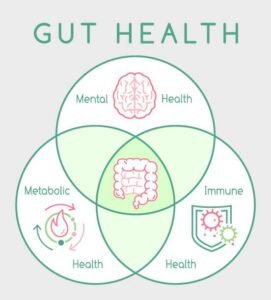
If you want to improve nutrient absorption and support better recovery on your muscle-building journey, check out my article on 5 Proven Ways to Transform Your Gut Health Naturally
4. Feed the Muscle (Calorie Intake Matters)
Muscle requires energy to grow. If you’re consuming more calories than you burn, you’re giving your body the fuel it needs to build new muscle.
You can approach this in three ways:
1. Traditional Bulk
Eating in a calorie surplus.
Con: You’ll gain fat along with muscle.
2. Lean Bulk (Recommended)
Eating slightly above maintenance.
This helps you gain muscle with minimal fat gain and makes it easier to burn off extra calories later.
3. Maintenance Calories
You can still add muscle at maintenance, but you must train smarter and follow a more strategic meal plan.
5. Plan and Prepare Your Meals
Planning your meals ahead of time helps you avoid eating foods you didn’t intend to. It also keeps you on track by ensuring you’re eating protein regularly and maintaining structure in your day.
Eating plant-based isn’t always the most convenient—so preparing your food is a huge advantage. Make time to cook, plan, and prepare. It’s one of the best things you can do for yourself, and it’s an amazing skill to have.
6. Follow a Strategic Workout Plan
You must strength train to see gains. A structured workout plan is just as important as a healthy diet.
Here are two key training tips:
1. Progressive Overload
Challenge your muscles over time by increasing weight, reps, or sets.
2. Compound Exercises
Focus on movements that use multiple muscle groups, such as squats, deadlifts, presses, and rows.
Avoid Overtraining
This was one of my hardest lessons. Overtraining can:
- Hinder muscle growth
- Cause injury
- Create hormonal imbalances
- Increase inflammation
- Reduce recovery
- Cause plateaus or decline in performance
Less is sometimes more.
Don’t Skip Cardio
Cardio helps with muscular endurance and recovery. Just monitor how much you do.
Want to Build Muscle Faster on a Vegan Diet?
Download my full Vegan Muscle Building Guide with 40+ high-protein plant-based recipes: https://bit.ly/3K1LEz4