

Introduction: Why Supplement Knowledge Matters
More and more people today are looking for natural ways to stay healthy without relying too much on medication. The truth is, the right supplements can make a big difference in how you feel — from boosting your energy and mood to supporting your immune system and digestion.
However, finding the right supplement can be confusing. There’s a lot of mixed information online, and not every study tells the full story. That’s why it’s helpful to understand what actually works and why.
In this guide, we’ll go over some of the best supplements for common health problems and explain how they can help your body stay strong and balanced — the natural way.
1. Vitamin D3: The Master Regulator
If there’s one supplement everyone should know about, it’s vitamin D3.
This nutrient acts more like a hormone than a vitamin and plays a crucial role in immune regulation, inflammation control, mood balance, and bone health.
“According to the National Institutes of Health, vitamin D plays a key role in immune function.”

Why We’re Often Deficient
Modern lifestyles keep us indoors, and depending on your location, season, age, or weight, you may not be producing enough vitamin D from sunlight. People with diabetes or insulin resistance are especially prone to low vitamin D levels.
Health Conditions Improved by Vitamin D3
- Autoimmune Diseases: Vitamin D3 reduces inflammation and helps regulate an overactive immune system.
- Cancer and Immune Deficiency (e.g., HIV/AIDS): Vitamin D strengthens immune response and supports recovery.
- Depression: Low vitamin D levels are linked to mood disorders.
- Eye Conditions: Including glaucoma and other vision problems.
- Chronic Back or Bone Pain: Especially in the pelvis, hips, or lower spine.
- Skin and Hair Disorders: Including dermatitis, psoriasis, and hair loss.
Important Co-Factors
Vitamin D3 must be taken with:
- Magnesium
- Zinc
- Vitamin K2
These nutrients help the body absorb and use vitamin D effectively.
2. Magnesium Glycinate: The Calming Mineral
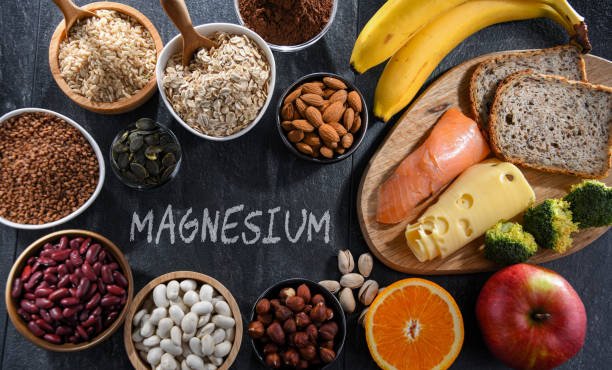
Magnesium is one of the most essential yet overlooked minerals.
The best-absorbed form is magnesium glycinate, which supports hundreds of enzymatic reactions in the body.
The Vitamin D Connection
Vitamin D and magnesium work hand in hand. Without magnesium, vitamin D can’t activate properly — and vice versa. If you take one without the other, you may experience side effects or reduced effectiveness.
Signs of Magnesium Deficiency
Magnesium levels naturally dip in the early morning hours, around 5–7 a.m. This is why many health problems happen then:
- Leg or foot cramps
- Morning heart attacks and strokes
- High morning blood sugar (“dawn phenomenon”)
- Migraines or headaches upon waking
Magnesium Benefits
- Relaxes muscles and prevents cramps
- Lowers cortisol and adrenaline (reduces stress and anxiety)
- Improves sleep quality
- Prevents blood clots and arrhythmias
- Supports heart health and blood pressure
- Boosts energy production in the mitochondria
- Prevents kidney stones
Learn more about magnesium’s benefits from Healthline.
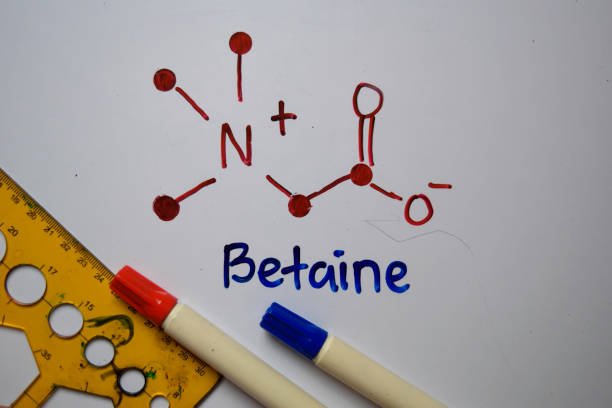
3. Betaine Hydrochloride (HCl): For Better Digestion
Many people believe heartburn and indigestion are caused by too much acid, but in most cases, it’s actually too little acid.
Betaine hydrochloride (HCl) increases stomach acidity, helping you digest food and absorb nutrients properly.
It also strengthens the valve between the stomach and esophagus, preventing acid reflux.
4. Zinc Carnosine: Healing the Gut
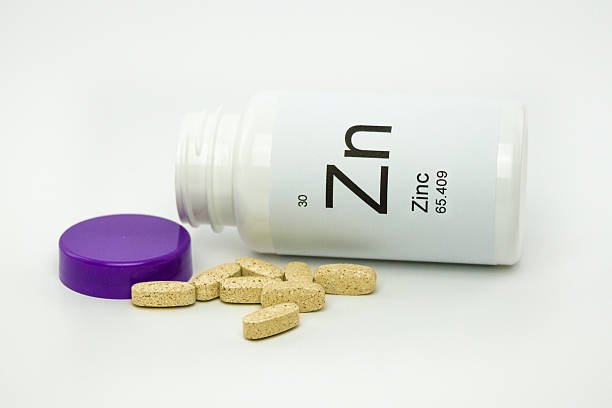
Zinc carnosine is one of the best remedies for:
- Stomach ulcers
- Gastritis
- Leaky gut
It soothes the stomach lining, promotes healing, and reduces inflammation.
5. Selenium: Immune Defense and Thyroid Health
Selenium is a trace mineral with powerful effects on the immune system.
Benefits of Selenium
- Supports immune function: Especially in conditions like AIDS, where T-cells are depleted.
- Protects the thyroid: Prevents and improves Hashimoto’s thyroiditis, an autoimmune thyroid disorder.
- Antioxidant protection: Helps neutralize free radicals and reduce inflammation.
Just one Brazil nut per day provides your daily selenium needs.
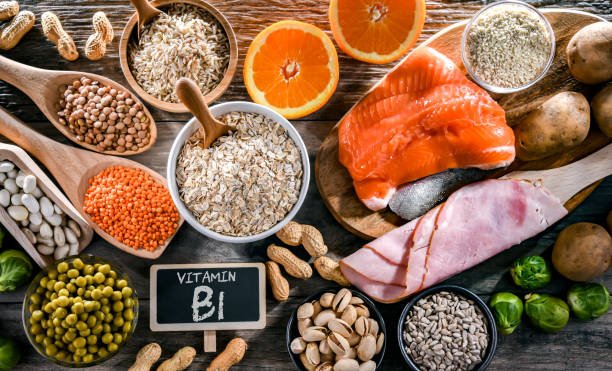
6. Vitamin B1 (Thiamine): For Nerves and Energy
Vitamin B1 (thiamine) is vital for nervous system health, mood, and energy metabolism.
Key Benefits
- Reduces stress, anxiety, and nervous tension
- Helps relieve restless leg syndrome (especially when paired with magnesium)
- Improves nerve function in hands and feet
- Supports mental clarity and focus
A fat-soluble form of B1 called benfotiamine works especially well for nerve pain and peripheral neuropathy.
7. Calcium (in Food, Not Pills)
While calcium is important for bone strength, high-dose calcium supplements (over 1,200 mg/day) can increase your risk of heart problems and calcification.
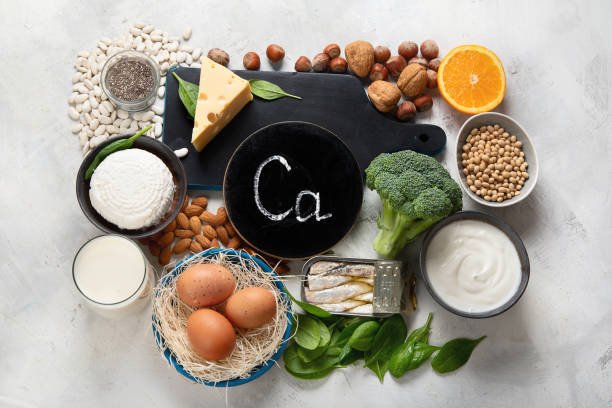
It’s best to get calcium naturally from:
- Cheese
- Leafy green vegetables
- Sardines (with bones)
Avoid calcium carbonate supplements unless advised by your doctor.
8. Potassium: The Forgotten Electrolyte
If you’re salt-sensitive or have high blood pressure, your problem may not be excess sodium — it may be a lack of potassium.
We need around 4,700 mg of potassium per day, yet most people get less than half.
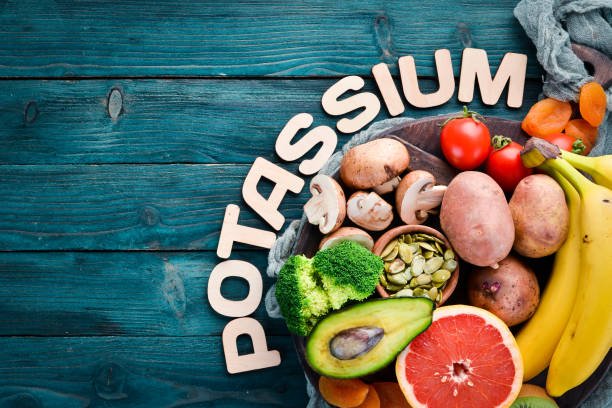
Potassium-rich foods include:
- Avocados
- Spinach
- Bananas
- Sweet potatoes
Potassium supports healthy blood pressure, heart rhythm, and muscle relaxation.
9. Coenzyme Q10 (CoQ10): For Heart and Energy
Anyone taking statin drugs should absolutely take CoQ10.
Statins deplete the body’s natural CoQ10, which is essential for cellular energy and heart health.
Benefits include:
- Reducing muscle fatigue and pain
- Supporting cardiovascular health
- Boosting energy and endurance
10. Vitamin E (Tocotrienols): The Antioxidant Powerhouse
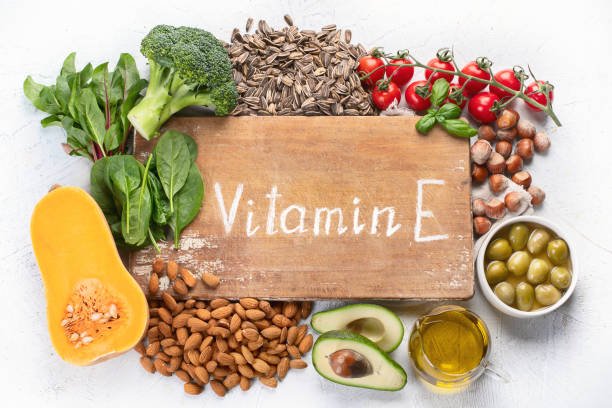
Vitamin E comes in two main forms: tocopherols and tocotrienols.
The tocotrienol form is 50 times more potent and offers exceptional benefits.
Health Benefits
- Prevents fibrosis and scarring
- Supports artery health and reduces plaque
- Helps chest pain and angina
- Improves fertility and hormone balance
11. TUDCA: The Bile and Brain Supporter
TUDCA (tauroursodeoxycholic acid) is a specialized bile salt that helps with liver detoxification and bile flow.
It’s great for people with:
- Gallbladder pain or pressure
- Right shoulder or neck pain from bile congestion
- Neurological conditions (TUDCA also protects brain cells)
12. Iodine: Hormone and Estrogen Balance
Iodine is essential for thyroid function, but it’s also a natural estrogen regulator.
It’s particularly beneficial for:
- Fibrocystic breast disease
- Hormonal imbalances
- Menstrual irregularities
13. Vitamin C: Collagen and Immunity

Vitamin C is crucial for collagen production, immune defense, and wound healing.
If your gums bleed when brushing, or you bruise easily, you may be deficient in vitamin C.
It strengthens connective tissue and supports glowing, healthy skin.
14. Probiotics: For Gut and Immune Health
If you consume diet sodas or artificial sweeteners, your gut microbiome may be compromised.
Probiotics help restore balance by replenishing good bacteria, improving digestion, and supporting immunity.

15. Biotin: Hair, Skin, and Nail Growth
Biotin (vitamin B7) promotes:
- Stronger hair and nails
- Healthier skin
- Improved cell metabolism
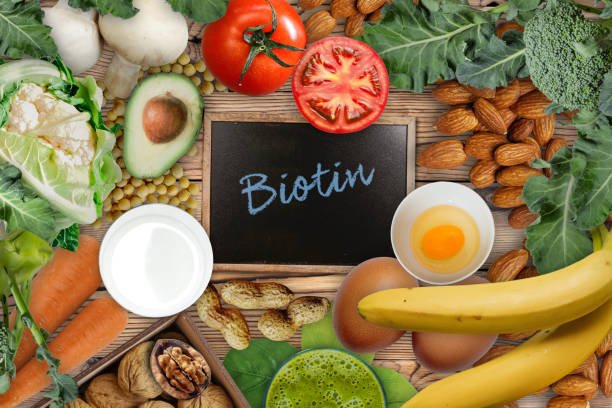
It’s especially effective when combined with collagen or keratin supplements.
16. Manganese: For Neurological Balance
Manganese plays a role in nerve and muscle coordination.
It’s particularly helpful for individuals with tics, Tourette’s syndrome, or other involuntary movements.
17. NAC (N-Acetyl Cysteine): Liver and Detox Support
NAC is one of the most powerful antioxidants and liver protectors available.
Benefits
- Protects against Tylenol (acetaminophen) toxicity
- Detoxifies the liver and lungs
- Helps clear mucus buildup in the respiratory system
- Acts as a precursor to glutathione, the body’s master antioxidant
Combine NAC with milk thistle for enhanced liver support.
18. Melatonin: For Restful Sleep
When nothing else works for insomnia, melatonin can help reset your circadian rhythm.
It’s not just for sleep — melatonin also supports the immune system and acts as an antioxidant.
19. Niacin (Vitamin B3): For Cholesterol and Circulation
Niacin helps lower bad cholesterol (LDL) and raise good cholesterol (HDL).
Start with 500 mg and gradually increase to 1,000 mg daily. The “niacin flush” (warm redness) is normal and temporary — it shows the supplement is working.
Conclusion: Natural Healing Is Within Reach
The world of supplements can be overwhelming, but when you understand how each nutrient supports the body, it becomes clear that nature provides most of what we need for healing.
From vitamin D3 for immunity to magnesium for stress and sleep, these nutrients can make a remarkable difference in how you feel and function every day.



Pingback: 10 Powerful Collagen-Rich Foods For Glowing Skin And Strong Hair - Whole Body Code